HbbTV at the heart of Europe’s TV convergence: Key insights from Vincent Grivet at NXT Media Days
Connected TV continues to expand at speed across Europe, reshaping how broadcasters deliver content, manage audiences and monetise inventory. At NXT Media Days Europe, Vincent Grivet, Chairman of the HbbTV Association, delivered a focused and compelling overview of how HbbTV is driving this transformation. Speaking as part of the panel Seamless synergy: The convergence of CTV and linear TV in modern advertising, Grivet outlined why hybrid TV is now essential to the future of European broadcasting, and how HbbTV’s technical foundations, operational frameworks and widespread adoption place it at the centre of that future.
Grivet began with an introduction to his own background. He has spent two decades in telecoms and nearly 20 years in broadcast, which positions him as a hybrid minded person. HbbTV, he explained, was created for the very purpose of hybridizing TV, at a moment where it became obvious that traditional broadcast / linear TV could be enriched with internet delivered services . It merges the strengths of classical linear broadcasting with the personalisation, data capabilities and interactivity associated with digital platforms.
Bridging the old world and the new world
A major theme across Grivet’s session was convergence. Traditional linear TV and modern streaming environments originated as separate silos served by different teams, technologies and business models. HbbTV, he argued, was built to merge these worlds and create a unified environment that works for broadcasters, manufacturers, advertisers and viewers alike.
HbbTV’s hybrid nature has long been visible through its familiar red button use case, which allows viewers watching a linear channel to access on demand options instantly. Addressable advertising extends that foundation. With HbbTV, broadcasters can deliver CTV-style targeted ads within live broadcast feeds with no disruption to user experience. “You could say this is done with CTV, no need for HbbTV,” he said. “Still, there are two big advantages. We unify the CTV world, and broadcasters stay in control.”
This unification is important. CTV today consists of multiple vertical ecosystems. Different devices, different apps and different technical frameworks create complexity for broadcasters that need to manage 10 to 15 CTV platforms. HbbTV provides a single, cross-manufacturer mechanism that works across virtually all major brands. “We unify the CTV silos,” Grivet emphasised. “Broadcasters see only one.”
Control is also a growing concern for European broadcasters, particularly given the dominance of gatekeeper-led CTV environments. HbbTV ensures that ad substitution in linear environments remains fully broadcaster managed with no intermediaries involved.
A mature and growing technology
Grivet supported these points with strong adoption figures. More than 100 million homes in Europe had HbbTV as of March 2025. This is projected to reach 120 million by the end of 2026, representing 17 percent annual growth. Usage is widespread in the United Kingdom, Germany, Italy and Spain, where tens of millions access broadcaster services powered by HbbTV every day.
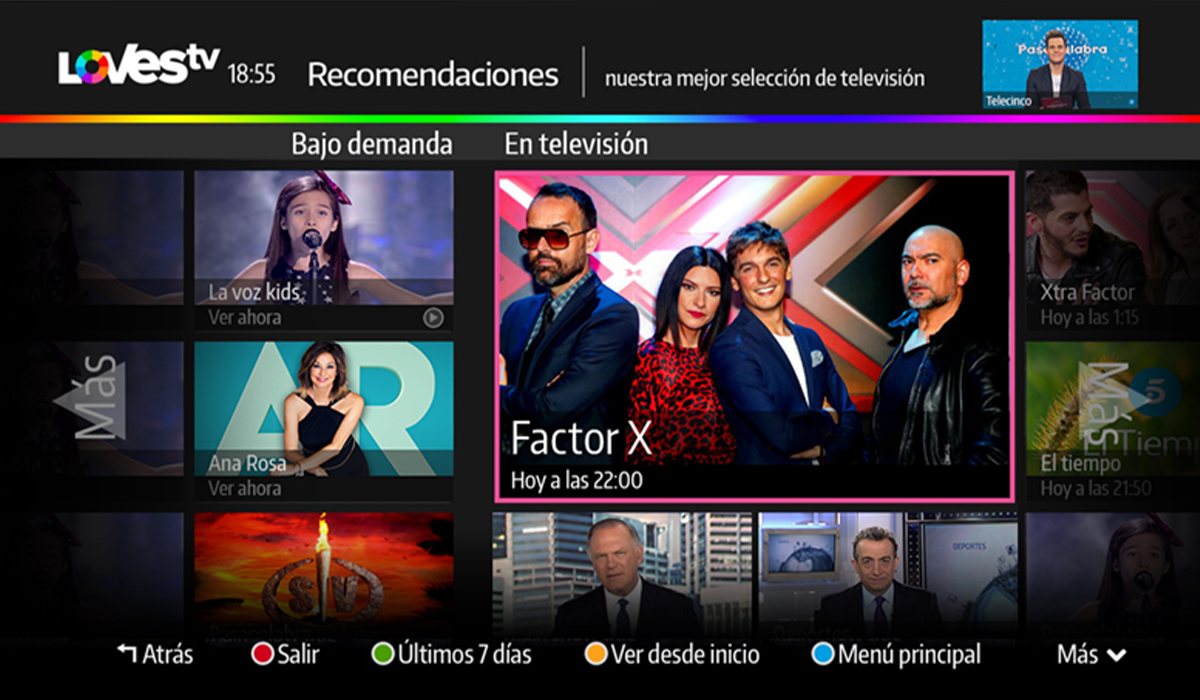
Platforms such as Loves TV in Spain, Freeview Play and Freely in the United Kingdom and a growing number of satellite ecosystems across the MENA region all rely on HbbTV as a core building block.
This widespread deployment has delivered measurable benefits to broadcasters and advertisers.
- France Télévisions saw significant increases in engagement after launching an HbbTV startover service. More than half of surveyed users said they watched more TV as a result of this feature.
- Mediaset and Publitalia reported uplifts of 18 percent in drive to store and 56 percent in drive to site from HbbTV-powered addressable ad campaigns.
- TV Nova in the Czech Republic demonstrated guaranteed frequency-capped impressions by combining linear and digital delivery.
- AGTT in Austria used HbbTV-based measurement to illuminate previously unmeasurable channels with very small audiences.
Across markets, Grivet summarised the impact clearly. “Yes, HbbTV brings tangible audience and engagement improvements.”
Overcoming the challenges of addressable TV
Although addressable advertising through HbbTV is proven and widely deployed, Grivet outlined key challenges that broadcasters must consider.
The first is awareness. Many broadcasters do not yet understand the maturity or potential of HbbTV. Some assume it will only become relevant in several years, while others consider it outdated. Both views are incorrect.
The second challenge is application development. Broadcasters need an HbbTV application capable of supporting dynamic ad substitution. Fortunately, a strong ecosystem of vendors now provides this expertise.
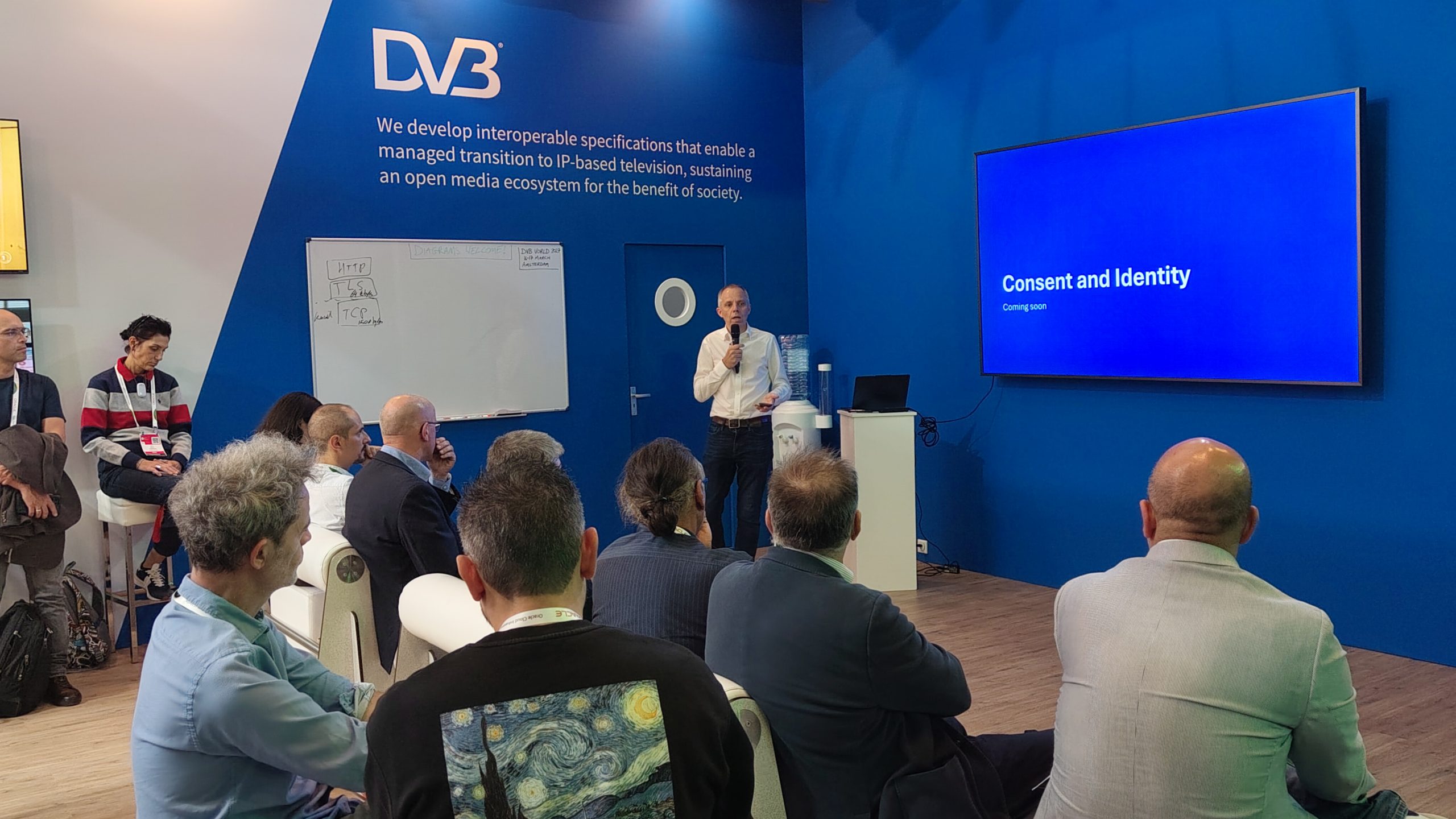
Consent is another challenge, although HbbTV can help streamline consent acquisition and management.
Finally, certification is essential. The HbbTV-TA specification is an enhancement to HbbTV that supports frame-accurate switching but broadcasters who wish to use it to benefit from this important upside must ensure campaigns only run on verified devices. ATVI, an initiative created by German’s two leading commercial broadcast groups, already manages certification and provides real-time access to validated device lists.
Grivet noted that the shift towards all-IP distribution presents both a challenge and an opportunity. As DVB-I evolves, HbbTV is preparing for hybrid and pure IP scenarios, including the possibility of an IP-only version of the specification.
Transparency, measurement and viewer experience
A further benefit of HbbTV is improved transparency and measurement. HbbTV applications can enable broadcasters and ad servers to understand precisely what was delivered on each device. Combined with its cross-manufacturer reach, HbbTV enables consistent measurement across brands, platforms and both linear and non-linear viewing.
HbbTV also continues to enhance the viewer experience. It supports voting, accessibility services, UHD enhancements, sports statistics and complete service entry experiences such as Freely and Loves TV. For many viewers in Europe, HbbTV has become the gateway to modern broadcaster services.
The next five years and the path to success
Grivet concluded with a clear vision of what will define hybrid TV’s success over the next three to five years.
- Broad adoption of HbbTV-TA across all television models
- Ad technology platforms fully integrating HbbTV-TA into unified linear and digital workflows
- Standards that support all-IP distribution without dependency on delivery networks
As hybrid usage becomes the norm, blending broadcast, streaming, video-on-demand and addressable advertising, HbbTV’s role as Europe’s open and unifying standard places it at the centre of this transformation. Grivet’s message was clear: Hybrid TV is no longer experimental. It is a proven and scalable opportunity that broadcasters and advertisers can embrace with confidence.