From unconference to implementation: How HbbTV Symposium 2025 ideas are becoming reality
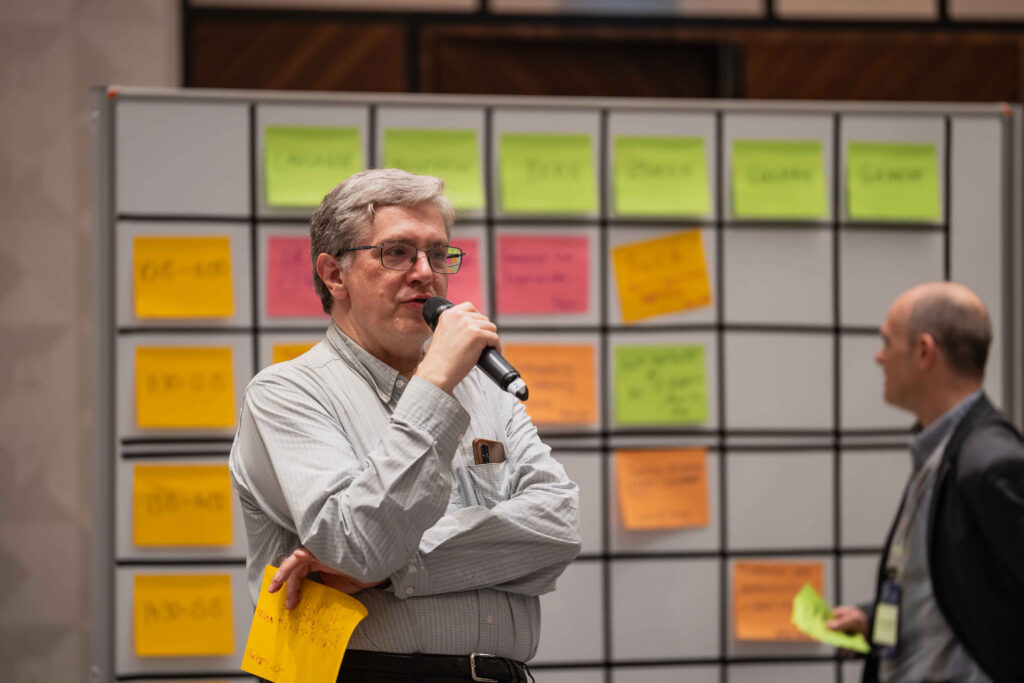
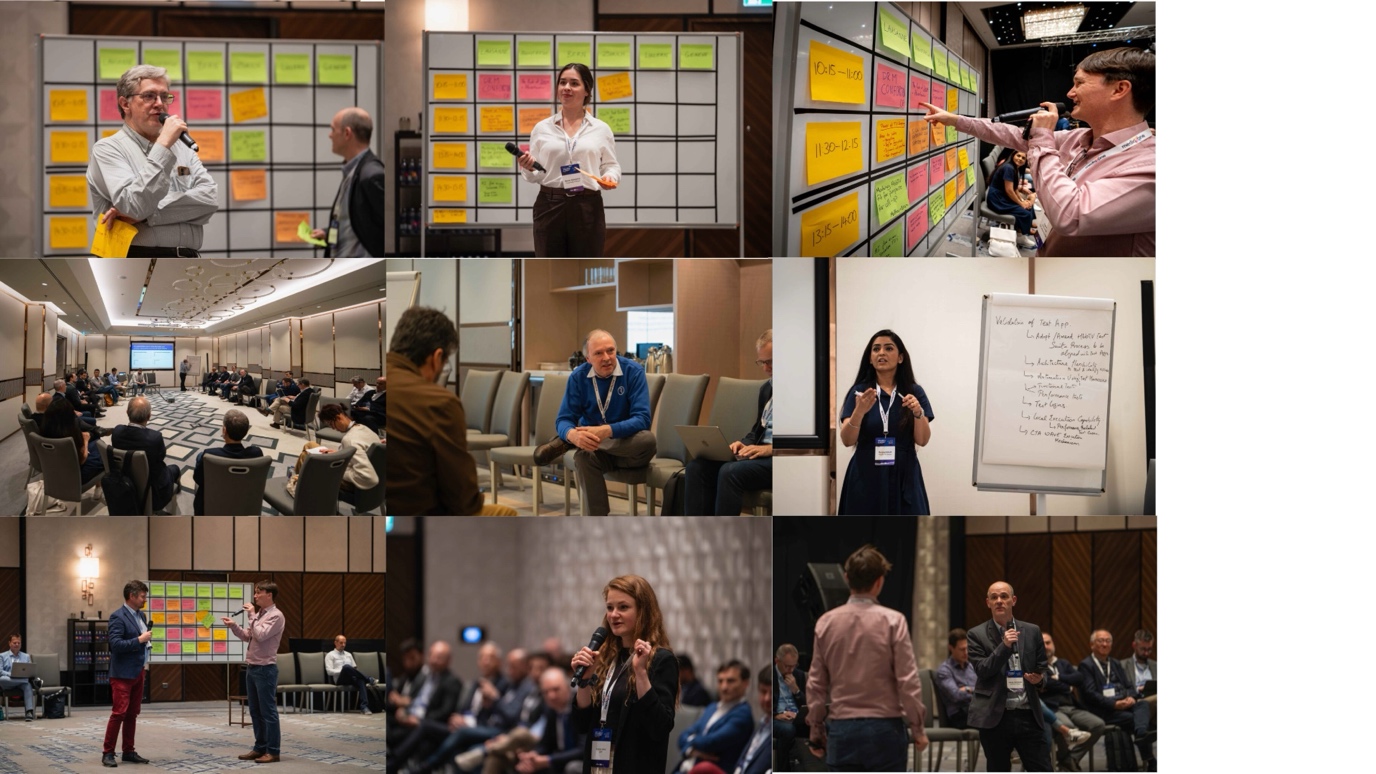
The HbbTV Symposium has long been the place where the industry’s latest developments are presented and debated. Increasingly, however, it is the unconference on the second day that provides the spark for future innovation.
Unlike traditional conference presentations, the unconference brings together broadcasters, manufacturers, technology providers, standards experts and developers to explore emerging ideas through collaborative discussion. The objective is not simply to present completed work, but to identify challenges, share experiences and build consensus on where the industry should head next.
Around six months after the 2025 HbbTV Symposium in Istanbul, the HbbTV Association hosted a follow-up webinar bringing together the hosts of unconference sessions to answer one important question:
What happened next?
Representing broadcasters, technology providers, standards organisations and research institutions from across the HbbTV ecosystem, the speakers demonstrated how ideas first explored in Istanbul have since developed into open-source projects, commercial deployments, new study missions and ongoing specification work. The webinar highlighted that the unconference is far more than a discussion forum, it is increasingly becoming a catalyst for technical collaboration across the HbbTV community.
AI for Smarter TVs moves from concept to implementation
Presented by Rafael Bermúdez (3Cat) and Bram Tullemans (European Broadcasting Union)
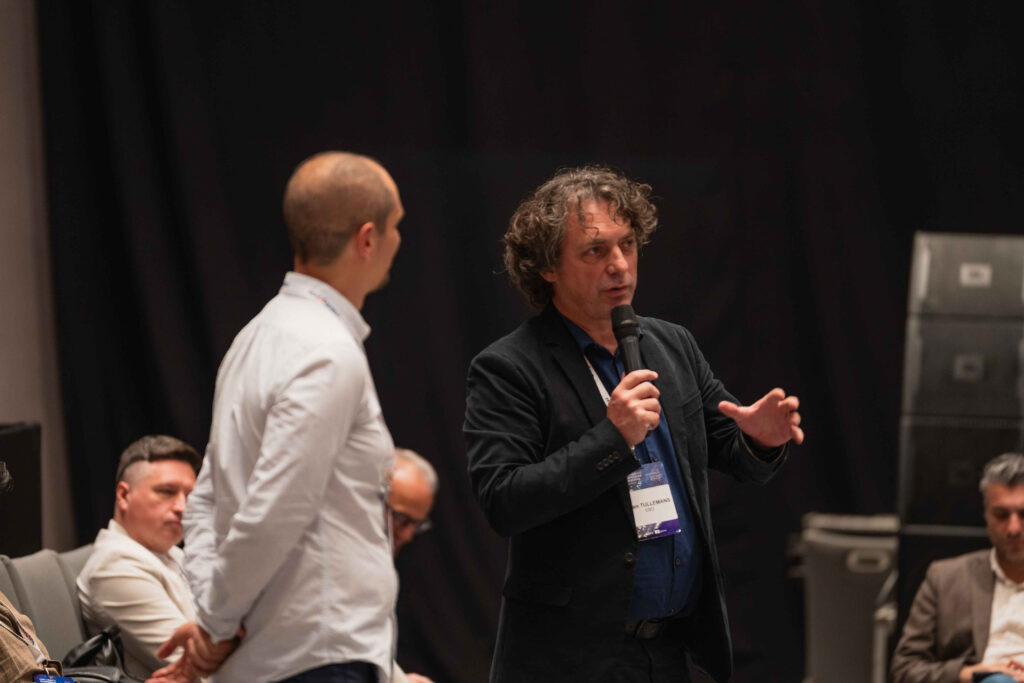
Artificial Intelligence was one of the most popular topics at last year’s Symposium, and Rafael Bermúdez from 3Cat and Bram Tullemans from the EBU returned to explain how rapidly the work has progressed.
Since Istanbul, the team has demonstrated its DVB-I AI Agent at both DVB World and the EBU Horizons conference and has open-sourced its DVB-I Model Context Protocol (MCP) implementation, allowing developers across the community to contribute to the project.
The work has also evolved technically. The latest implementation makes use of WebAssembly to improve performance while reducing the operational cost of running AI services. Rather than relying solely on conversational interfaces, the demonstrations combine natural language interaction with familiar television user interface components, allowing viewers to ask questions while still benefiting from traditional programme information widgets.
Although formal standardisation work within HbbTV has not yet begun, the presenters emphasised that practical implementations are now emerging and that community participation will be essential before specification work can commence.
Application Discovery reveals a hidden opportunity
Presented by William Cooper (Service List Registry)
William Cooper provided one of the webinar’s most surprising updates by revisiting HbbTV’s Broadband Application Discovery mechanism.
Since taking responsibility for operating the HbbTV Service List Registry, his team has analysed the service logs generated by connected televisions around the world. The results reveal that approximately 10 million application discovery requests are received every day, with many originating from TV sets searching for HbbTV applications that do not exist.
Perhaps even more interesting is where these requests originate. Significant volumes are coming from countries not traditionally considered HbbTV markets, including millions of weekly requests from Indonesia.
The data suggests that large numbers of HbbTV-capable televisions are actively looking for interactive services, representing a potentially significant opportunity for broadcasters and application providers.
William encouraged broadcasters, manufacturers and HbbTV members to engage with the Service List Registry to better understand these emerging markets and explore how broadband application discovery could be used more effectively.
Expanding DRM conformance testing
Presented by Krzysztof Lis (Resillion)
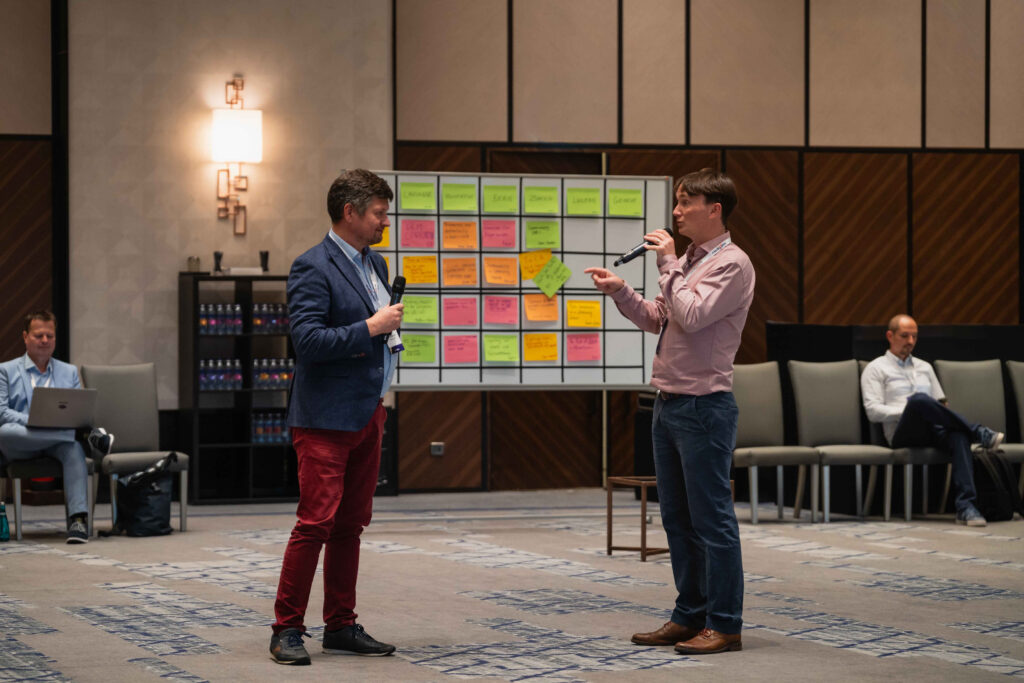
Ensuring consistent implementation of Digital Rights Management remains critical to interoperability across HbbTV devices.
Krzysztof Lis from Resillion reported significant progress in expanding DRM conformance testing since the Symposium. The organisation has delivered seventeen Widevine test scenarios to the HbbTV Test Suite and has around thirty further scenarios prepared for review and implementation. Additional PlayReady test material is also progressing.
The scope of testing has also expanded to include advertising insertion within protected content, reflecting the increasing deployment of addressable advertising services.
Krzysztof highlighted that DRM conformance is becoming increasingly important as certification programmes evolve. Countries including Poland and Spain are expected to incorporate DRM compliance into national receiver certification programmes, making comprehensive testing more important than ever.
Building best practice for gamified television
Presented by Aylen Alonso (TVekstra)
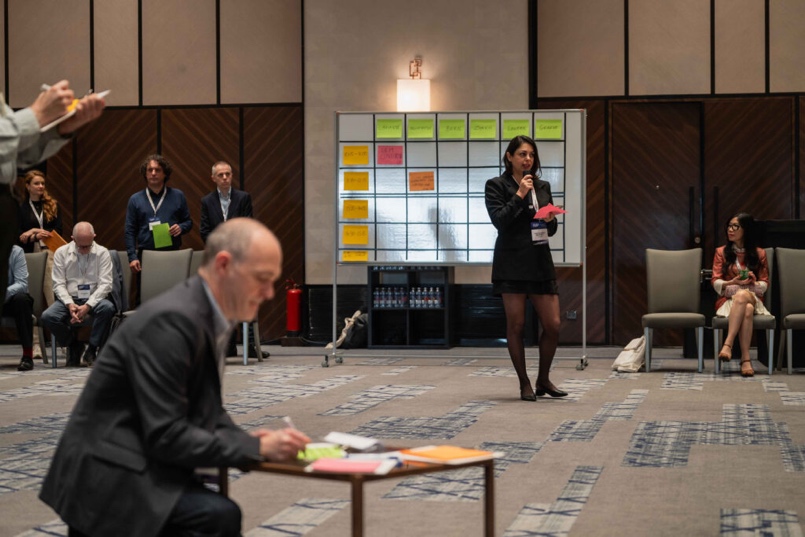
Interactive advertising and gamification continue to gain momentum, and Aylen Alonso from TVekstra explained how commercial deployments are now demonstrating the value of these experiences.
Although the proposed industry playbook discussed during the unconference has not yet been produced, considerable commercial experience has since been gained.
Recent deployments have incorporated real-time data, API integrations, commerce functionality and increasingly personalised user experiences. The ambition is now to capture these lessons in a shared set of best practice guidelines covering interaction patterns, user experience design and performance benchmarks.
Such a playbook could help broadcasters and technology providers deliver consistent, engaging interactive experiences while accelerating adoption across different markets.
HbbTV for an All-IP future gathers momentum
Presented by Bram Tullemans (European Broadcasting Union)
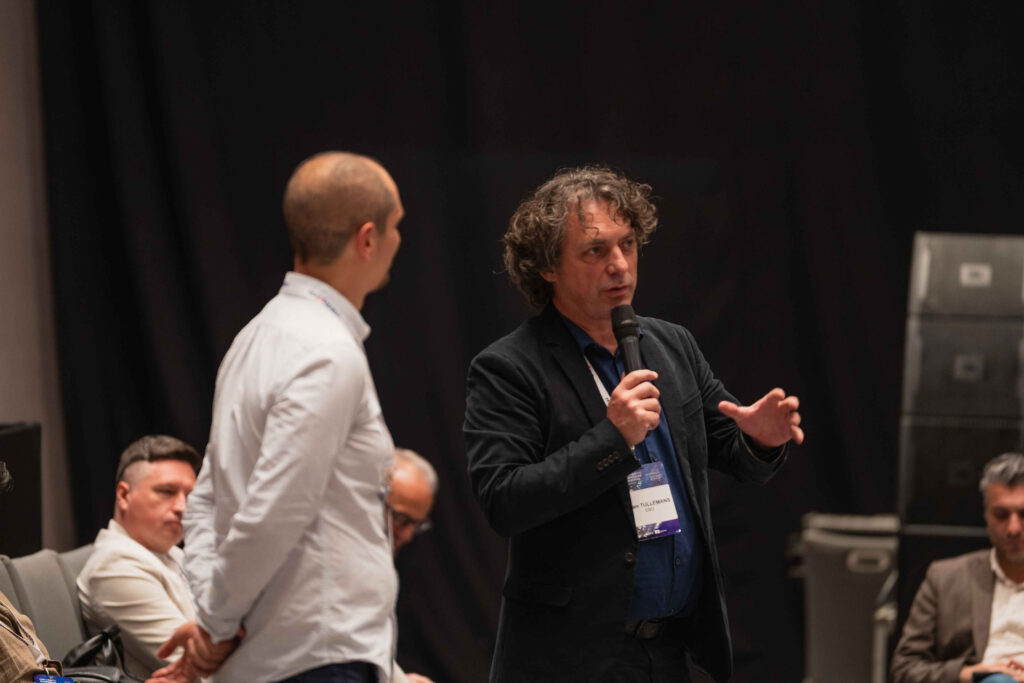
One of the Symposium’s most strategically important discussions centred on how HbbTV should evolve for an All-IP future.
Bram Tullemans reported that the HbbTV All-IP Study Mission has now held around ten meetings and produced an initial draft document exploring how HbbTV could operate in environments without traditional broadcast transport streams.
The group is examining use cases, stakeholder requirements and possible architectural approaches before any specification work begins.
Importantly, Bram encouraged wider participation, reminding HbbTV members that the study mission remains open and that the direction of future work will benefit from broad industry involvement before recommendations are presented to the Steering Group.
Native DASH players versus JavaScript continues to evolve
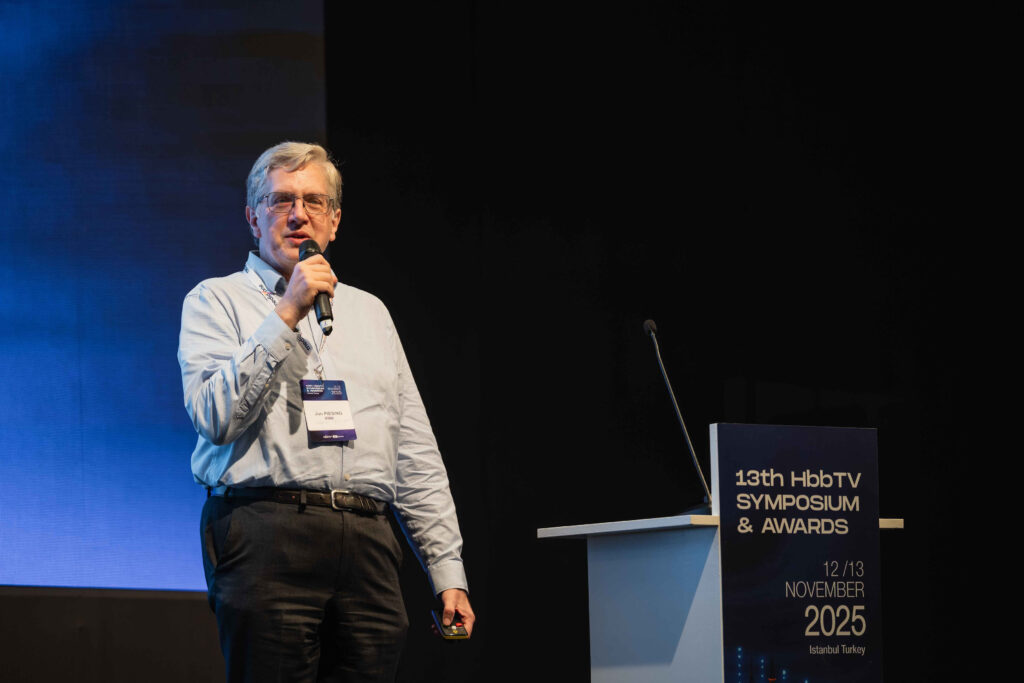
Presented by Jon Piesing (HbbTV Association)
Although Jon Piesing was unable to participate fully due to technical difficulties during the webinar, an update was provided on progress since the Symposium.
The CTA WAVE Media Source Extensions (MSE) test suite has now been incorporated into the HbbTV Test Suite, strengthening interoperability testing.
Meanwhile, discussions continue around performance expectations and caching behaviour for JavaScript-based DASH players. A formal issue has now been raised within the HbbTV specification process, while joint discussions with DVB are being planned to ensure alignment between both organisations.
The debate between native DASH implementations and JavaScript-based players remains an important technical topic as streaming services continue to evolve.
Provenance and authenticity gain industry attention
Presented by Naomi Schoppa (Fraunhofer FOKUS)
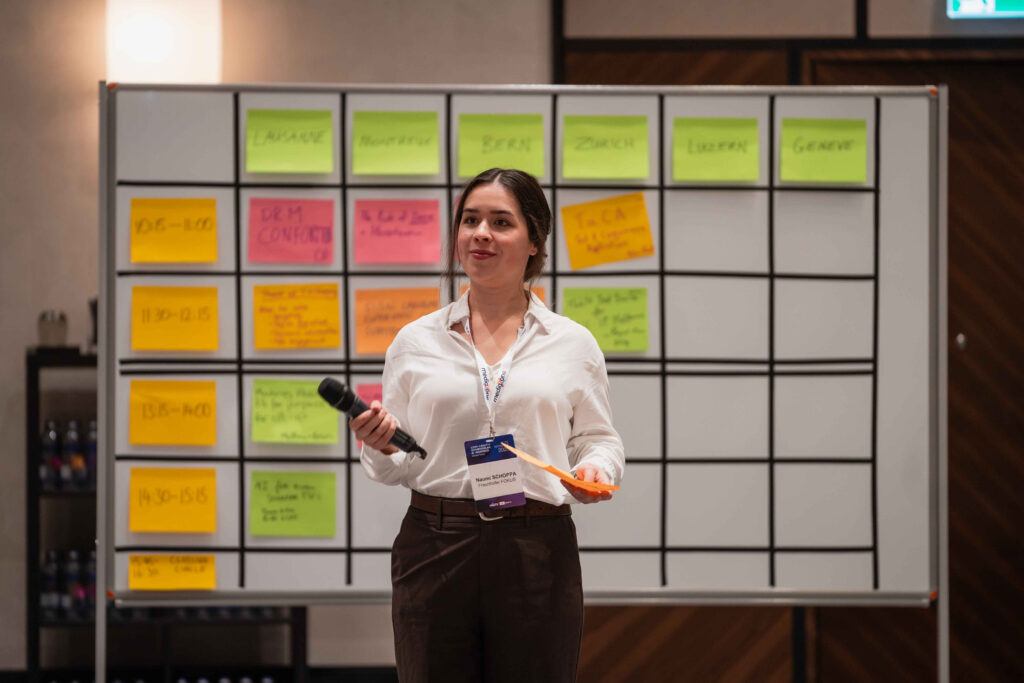
As AI-generated media becomes increasingly sophisticated, verifying the authenticity and origin of television content is becoming an important challenge.
Naomi Schoppa highlighted the rapid progress being made around C2PA and other provenance technologies, pointing developers towards several new open-source toolkits that make experimentation significantly easier.
Fraunhofer FOKUS has also begun a major research project exploring how provenance and authenticity information could be integrated into HbbTV services and where it could provide the greatest value for broadcasters and viewers.
At the same time, DVB has restarted its Media Authenticity Study Mission, creating another opportunity for organisations interested in this emerging field to become involved.
Sign language services move towards deployment
Presented by Rafael Bermúdez (3Cat)
Returning for a second presentation, Rafael Bermúdez provided an update on 3Cat’s personalised sign language service.
Following successful demonstrations of WebAssembly-based sign language rendering, attention has now shifted towards standardisation.
Current HbbTV signalling mechanisms can indicate the presence of accessibility services but cannot describe personalised presentation requirements such as positioning, size or viewer preferences.
Discussions are therefore underway within the HbbTV Requirements Group, while parallel work is taking place within MPEG-DASH and DVB-I accessibility activities.
Most encouragingly, Rafael announced that production trials of the personalised sign language service are expected to begin shortly, marking the transition from research project to operational deployment.
Sustainable Streaming delivers a practical tool
Presented by Amelie Jakob (ZDF)
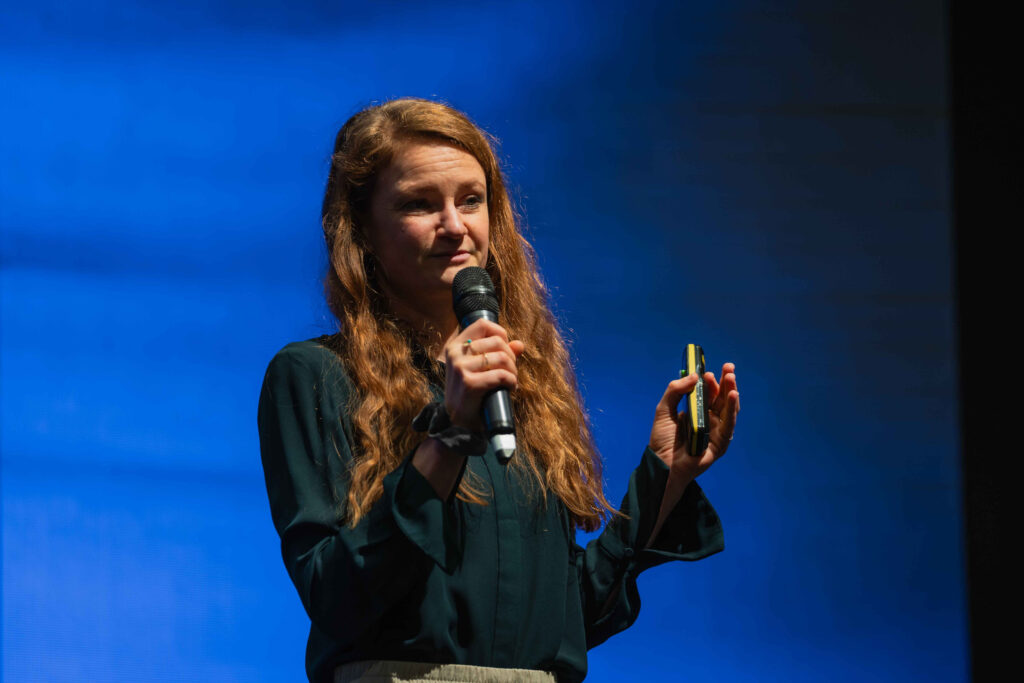
Perhaps the most tangible outcome presented during the webinar came from Amelie Jakob of ZDF.
Working with Fraunhofer FOKUS, ZDF has launched Green TV Buddy, a new feature within its streaming platform designed to help viewers reduce television energy consumption.
Using a comprehensive television database, the application identifies the user’s TV model and estimates its energy usage. It then provides tailored guidance, via a QR code, explaining how to activate the television’s energy-saving mode.
Alongside this deployment, wider sustainability work continues through ongoing research projects at Fraunhofer FOKUS, the Deutsche TV-Plattform (DTVP) Sustainability Task Force and DVB’s renewed Energy Efficiency activities.
Green TV Buddy demonstrates how HbbTV applications can actively encourage more sustainable viewing habits through simple but effective user interactions.
Preparing conformance testing for All-IP devices
Presented by Alex Russell (Everyone TV) and Ranjeet Kaur (DTG)
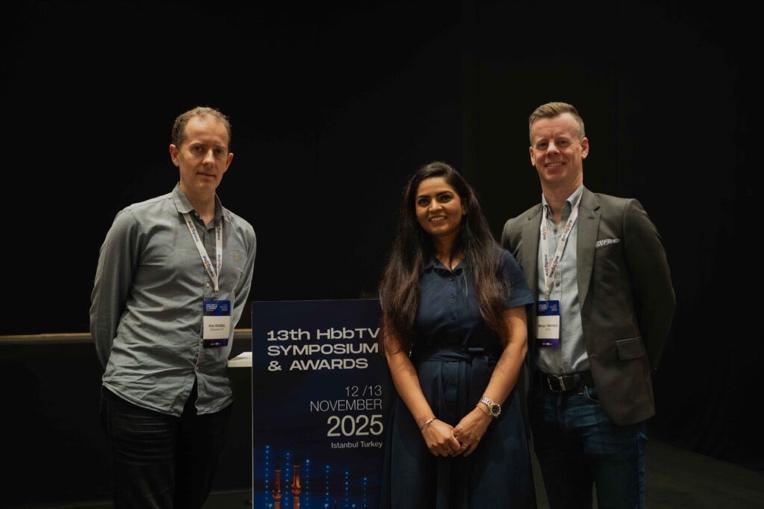
Alex Russell and Ranjeet Kaur discussed how conformance testing will need to evolve as tunerless All-IP television devices become more common.
The HbbTV Test and Conformance Study Mission continues to gather requirements while preparing a community survey covering future test applications, DRM reference applications and integration processes.
At the same time, the All-IP Study Mission is exploring how applications should be launched and discovered in environments without broadcast transport streams.
Together, these activities will ultimately shape the development of future HbbTV conformance testing for All-IP devices.
Improving coordination across testing ecosystems
Presented by Louay Bassbouss (Fraunhofer FOKUS) and Juha Joki (Sofia Digital)
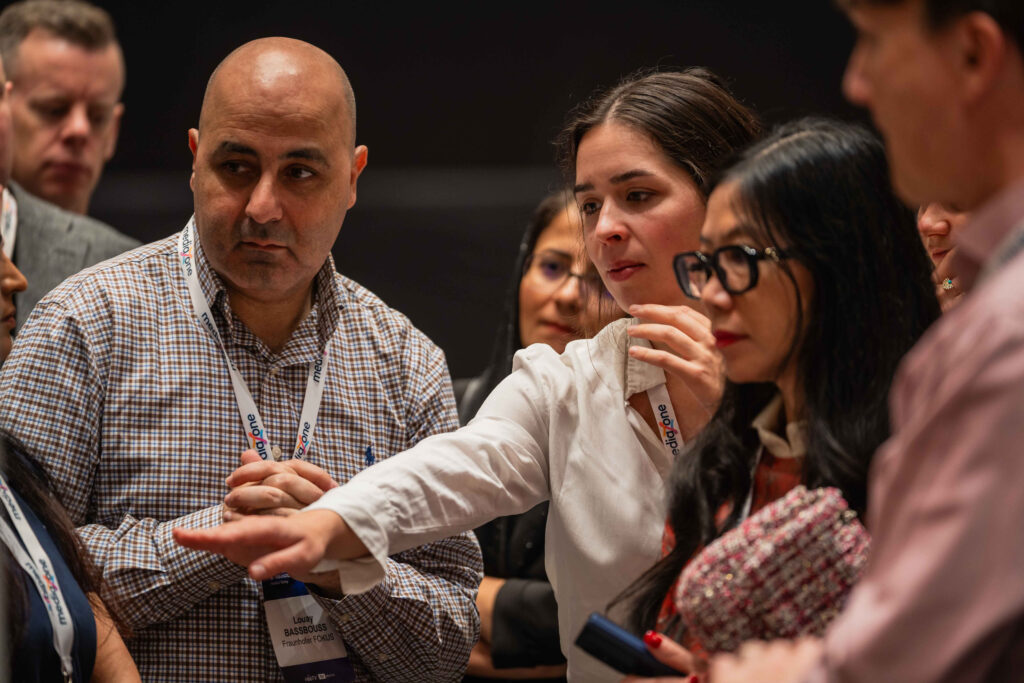
Testing across HbbTV, CTA WAVE and DVB continues to expand rapidly, bringing both new capabilities and new coordination challenges.
Louay Bassbouss described improvements to version management within the CTA WAVE test suite, making it easier for HbbTV to reference specific releases consistently.
Juha Joki highlighted recent additions to the HbbTV Reference Application, including new DASH content supporting key rotation, HDR, AC-4, VVC and DVB-TA testing.
Looking ahead, Fraunhofer FOKUS is investigating how Generative AI could dramatically reduce the effort required to analyse the vast quantities of test data generated during Plugfests and interoperability events, a promising example of AI improving engineering productivity rather than simply enhancing user experiences.
TV shopping demonstrates measurable commercial results
Presented by Moritz Wuttke (Konodrac)
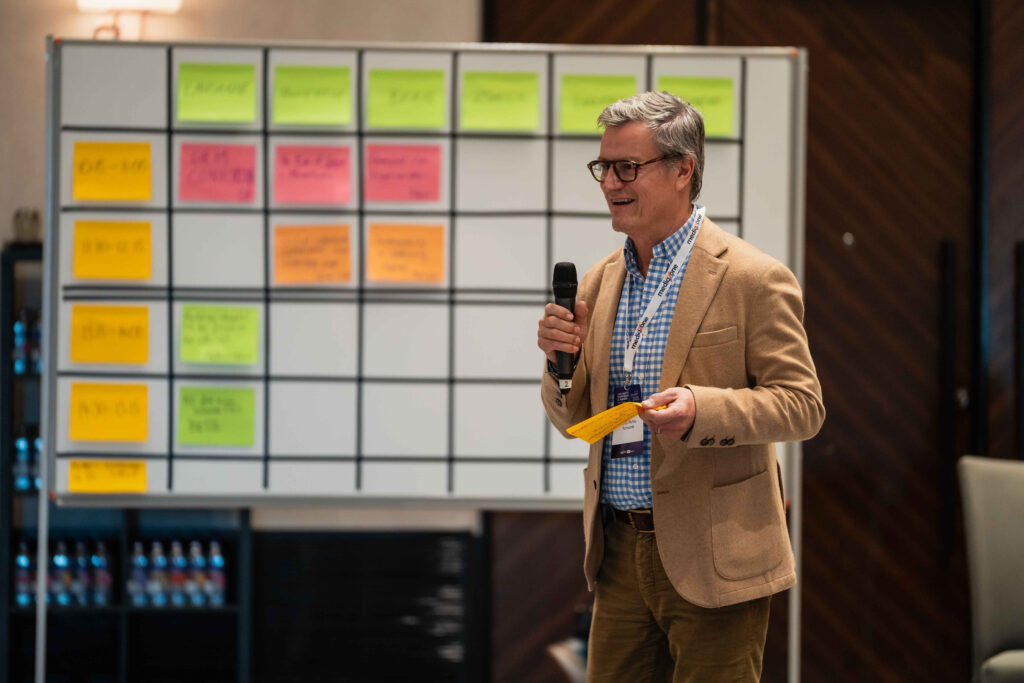
Moritz Wuttke concluded the webinar with one of the most commercially focused sessions.
Since the Symposium, Konodrac has conducted multiple real-world TV shopping trials, generating valuable insight into viewer behaviour.
One particularly striking finding showed that simply increasing the size of an on-screen QR code increased consumer engagement by around 160%.
Further analysis demonstrated that campaign performance also varies significantly according to the day of the week and time of day, reinforcing the importance of optimisation based on audience behaviour.
The company has also integrated with Shopify to simplify purchasing, while continuing to investigate synchronisation between television devices and mobile commerce platforms using household identification mechanisms.
The long-term objective is to make television shopping as seamless and intuitive as today’s leading e-commerce experiences.
Collaboration continues in Barcelona
As the webinar drew to a close, one message became increasingly clear.
The unconference is proving to be far more than an informal discussion forum. It has become an effective mechanism for initiating collaboration, shaping study missions, influencing specifications and accelerating practical innovation across the HbbTV ecosystem.
Many of the projects discussed during the webinar remain works in progress, but each demonstrates how conversations between broadcasters, manufacturers, standards bodies and technology providers can rapidly evolve into tangible outcomes.
That collaborative spirit will continue at the 14th HbbTV Symposium and Awards, taking place in Barcelona on 18-19 November 2026, where many of these initiatives are expected to return with new milestones, demonstrations and opportunities for the wider community to contribute.
If the progress reported during this webinar is any indication, the discussions that begin in Barcelona may well shape the next generation of HbbTV services.
Details on webinar and speakers here.
Recording here.